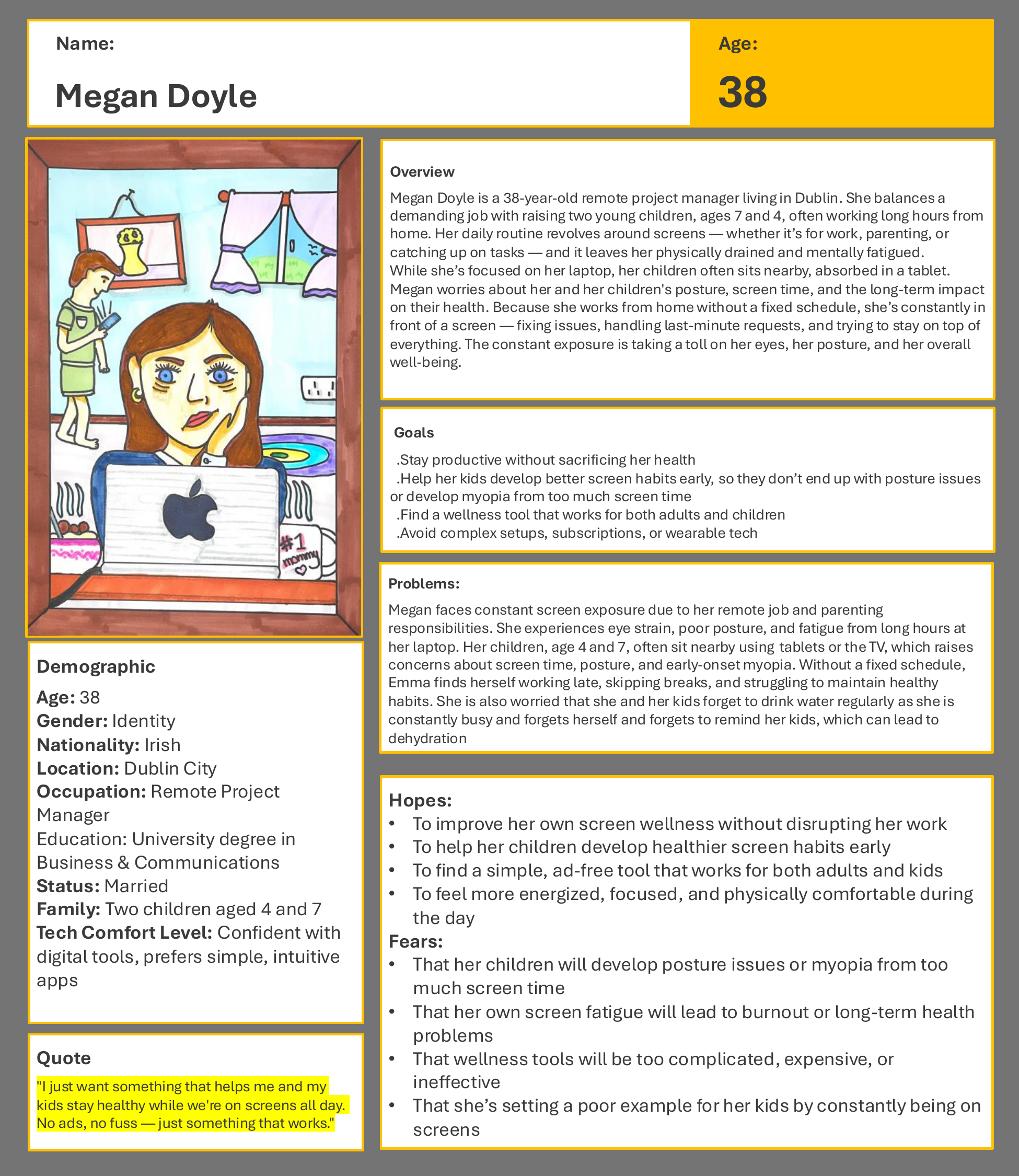
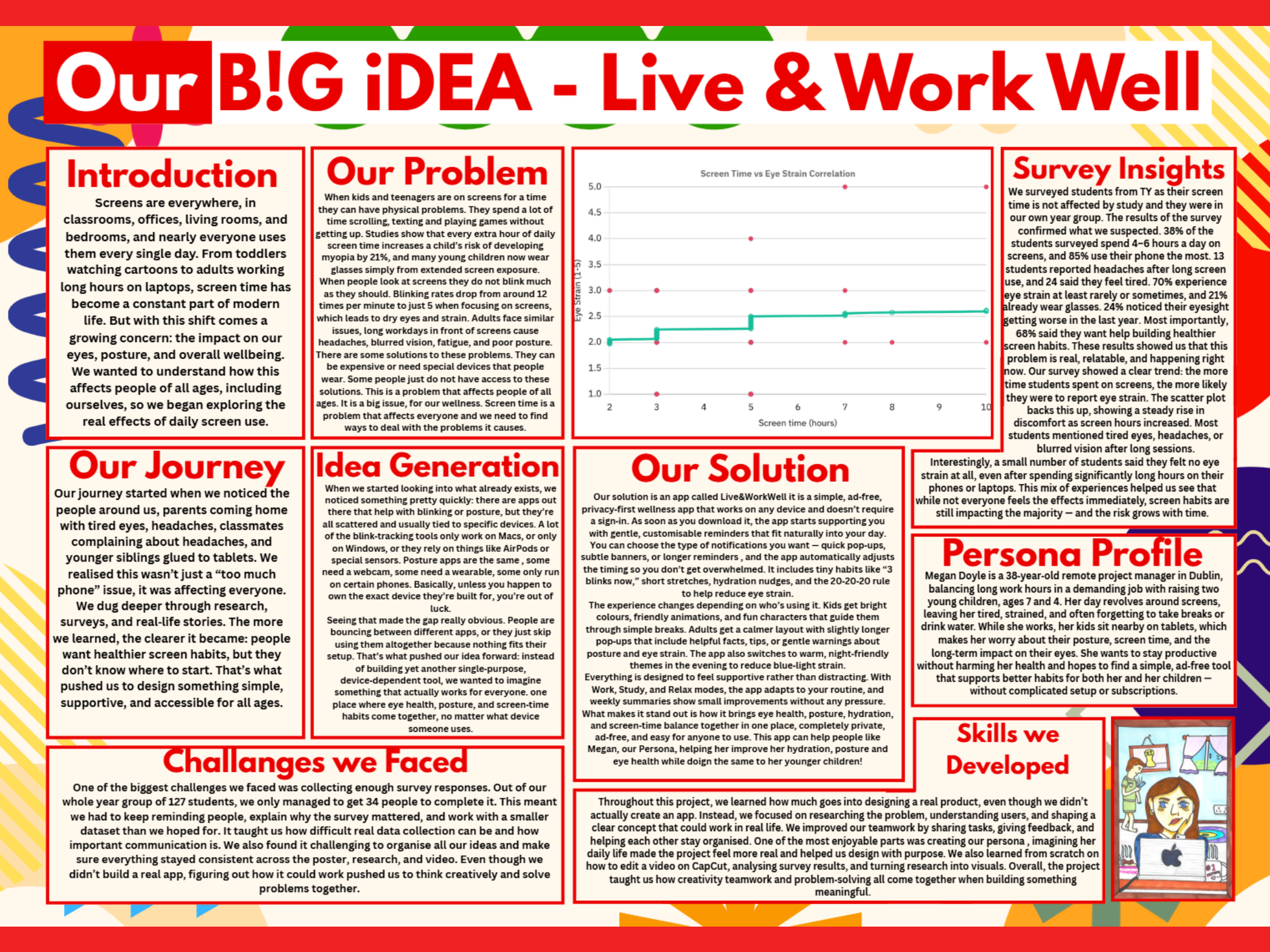
Screens are everywhere—from classrooms to offices, living rooms to bedrooms—and nearly everyone uses them daily. From toddlers watching bright cartoons on tablets to professionals working on laptops, screen time is now a constant part of modern life. In today’s digital world, children and teens spend hours scrolling, texting, and engaging with phones, laptops, and tablets—often without moving for long stretches. This sedentary behavior, combined with prolonged screen exposure, has serious consequences. Studies show that each additional hour of daily screen time increases a child's risk of developing myopia (nearsightedness) by 21%, with four hours nearly doubling the risk compared to no screen use. Many young children now wear glasses simply from extended screen exposure, and the average age of diagnosis continues to drop. Posture is also affected: constant downward gazing leads to neck strain, poor spinal alignment, and even visible lumps from prolonged phone use. Blinking rates drop significantly when focusing on screens—from around 12 times per minute to just 5—reducing eye lubrication and increasing strain. Adults face similar challenges. In today’s digital work culture, long hours in front of screens without blinking, moving, or adjusting posture lead to dry eyes, blurred vision, headaches, and physical fatigue. Combined with poor posture and prolonged sitting, this creates a widespread wellness crisis. Millions are affected daily, especially in remote and hybrid work settings where natural breaks are rare and reminders to rest or move are missing. The impact is both physical and mental: reduced focus, increased discomfort, and long-term health risks. Most existing solutions are either passive, expensive, or rely on wearable tech such as a smart watch that isn’t accessible to everyone. This problem spans generations and environments—from classrooms to boardrooms. That’s why we would like to create Live and Work Well, a simple, AI-powered solution that gently reminds users to blink, stretch, hydrate, and sit upright—turning wellness into a daily habit. The app requires no sign-in, no payment, and contains zero ads, making it truly accessible. It customizes itself based on the selected age: kids receive bright colours, cartoon-style visuals, simpler language, and longer notification pop-ups to support slower reading. Adults get posture tips, hydration reminders, and blinking nudges to combat screen fatigue—along with eye-opening facts and stats to encourage healthier choices. We would like it to work on any device and to be designed to be intuitive, inclusive, and supportive for every age group. This isn’t just about comfort—it’s about preventing burnout, protecting vision, and building healthier digital lifestyles!












 AI for Humanity